If you’re asking yourself, “Am I gay?”, you’re not alone, and you’re not broken, confused, or doing anything wrong. Questioning your sexuality is deeply personal, and while it might feel overwhelming or emotional at times, it's a valid and important step in understanding yourself.
This isn’t about rushing to label yourself. It’s about giving yourself permission to feel, explore, and discover what’s true for you. Let’s walk through what being gay means, how you might start recognizing your feelings, and how to explore them safely and honestly.
What Does It Mean to Be Gay?
Generally, being gay means being sexually attracted to individuals of your same gender. But, this attraction can also be emotional or romantic. For men, it typically means attraction to other men, for women, to other women. But the word “gay” can also be used more generally by people who feel primarily same-gender attraction, regardless of their gender identity.
It doesn’t mean you have to fit a stereotype or live a certain lifestyle. Being gay is about who you’re drawn to, and that includes who you care for, feel close to, or imagine a future with.

Is It Normal to Question If You're Gay?
Yes. It’s more common, and more than you think. You may be questioning “Am I gay?” now because something has shifted in you recently, or because you've had these feelings for a long time and are finally ready to think about them. Whatever brought you to this question, know that you're not “late” or “early” in figuring things out. People from all backgrounds and ages go through this. Some early in life, others later. There’s no perfect timeline. What matters is that you’re listening to yourself now.
Signs You Might Be Gay
Sexual orientation isn’t something you can define by checking off a list. Still, there are some feelings or experiences that might help you recognize patterns.
You might be gay if:
1. You’re Attracted to the Same Gender
You feel emotionally, affectionately, or physically connected to individuals of the same gender. This attraction might come in the form of crushes, admiration, fantasies, or even just a sense of connection that feels deeper than friendship.
2. You Don’t Feel Interested in the Opposite Gender
If dating people of the opposite gender has never felt right, or always felt like you were pretending, that could be a sign. Maybe you’ve tried to convince yourself that you’re attracted to them, but something just isn’t clicking.
3. You Form Deep Emotional Bonds with the Same Gender
You might notice yourself forming strong emotional attachments or feeling especially close to someone of the same gender in ways that go beyond typical friendship. That longing or connection might hold more weight than you expected.
4. You’re Curious About Same-Gender
Experiences You might wonder what it would be like to kiss, date, or be with someone of the same gender. Curiosity doesn’t define your orientation, but it can be a part of understanding how you truly feel.
5. You Feel Guilt, Fear, or Relief Around
These Thoughts Sometimes, growing up in certain environments can make same-gender attraction feel scary or wrong. If you’ve felt fear or shame, but also a kind of relief when you finally allowed yourself to consider you might be gay, that’s worth paying attention to.
Inclusive Pride T-shirt

$29.00
Celebrate diversity and spread love with our Inclusive Pride T-shirt! Featuring the iconic rainbow flag colors in subtle hues and the abbreviated INCLUSIVE word, this T-shirt proudly spreads a positive message. Wear it with pride and showcase your support for… read more
Understanding That Sexuality Is a Spectrum
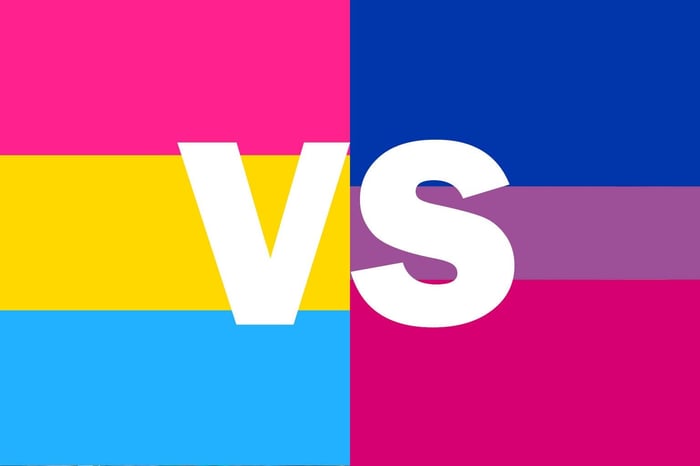
You don’t have to be 100% sure to know that something is real. Human attraction exists on a spectrum. You might realize you’re gay, or you might find that another label fits better, like bisexual, pansexual, or queer.
Or maybe you don’t want a label at all. That’s okay, too. Give yourself space to feel what’s true, not what’s expected.
How to Explore Your Feelings
You don’t need to figure everything out right away. Exploring your identity is a process, not a performance. Here are some gentle, honest ways you can begin that process:
Start a Journal
Try writing down your thoughts and feelings. You might start by describing past crushes or asking yourself what kind of relationship feels right to you. Seeing your thoughts on paper can help things feel more real, and not so overwhelming.
Talking to Someone
Confiding in someone can be powerful. Whether it’s a trusted friend, sibling, therapist, or support group, saying your thoughts out loud might bring clarity or at least make you feel less alone.
Watching LGBTQ+ Content
Books, movies, shows, and podcasts featuring LGBTQ+ stories can help you feel seen and understood. You might find yourself relating to the characters in ways you never expected.
Taking Things at Your Own Pace
If, and when, you feel ready to explore romantic or emotional relationships with someone of the same gender, that’s your decision. You’re allowed to take it slowly, make mistakes, and change your mind. The most important thing is that your experiences feel safe and respectful.
What Makes This Process Difficult?
You might feel pressure from friends, family, religion, or culture to be straight, or to avoid anything that might “look gay.” Maybe you've tried to push your feelings down, thinking they’ll go away. Maybe you’ve even convinced yourself that you're just confused.
That’s a normal reaction in environments where being gay is misunderstood or stigmatized. But it’s not the truth. The truth is that your feelings are real. Denying them won’t make them disappear. Accepting them, on the other hand, can lead to peace.
Do You Have to Come Out?
No. You never have to come out unless you feel ready and safe. Some people come out early. Some wait. Some don’t feel a need to come out at all. That’s all valid. If you're not ready to tell others, that doesn't make your identity any less real. Coming out is a deeply personal choice, and the first and most important person to acknowledge your truth to is yourself.
Where to Find Support
You don't have to face this by yourself, support is out there for you. There are communities, groups, and resources that exist to help people just like you.
Online Communities
- The Trevor Project
24/7 support for LGBTQ+ youth, including text and phone services. - LGBT National Help Center
Free and confidential peer support lines. - PFLAG
Education and support for LGBTQ+ individuals and their families.
Local LGBTQ+ Centers
Check if there’s an LGBTQ+ center or youth group in your city or school. These support meetings and events offer safe spaces where you can meet people that welcome and understand you.
Still Not Sure?
That’s okay. You don’t need a final answer today, or ever. Sexuality can evolve. You might find clarity through experience, or you might simply grow into your truth over time.
Don’t rush. Don’t panic. You have permission to be unsure.
You Are Valid, No Matter What
Asking “Am I gay?” is one of the most honest and courageous questions you can ask yourself. It shows you're open to knowing yourself fully and that’s something to be proud of.
Whatever the answer is, now or later, your feelings are real. You don’t need to prove anything to anyone. You deserve love, respect, and a life that feels authentic.
You're not alone. You're not broken. You're discovering who you really are, and that’s something beautiful. One day, you won’t need to ask yourself, 'Am I gay?' -- because whatever the answer is, you’ll know.
Be You Baseball Cap

$37.00
Express your authentic self with our stylish "Be You" baseball cap, featuring elegant white cursive embroidery. This eye-catching design makes a bold statement while complementing any outfit. More than just fashion, it's a daily reminder to embrace your true identity… read more