In today’s world of expanding sexual and gender identity awareness, understanding the differences between labels like Pansexual vs. Bisexual is essential for respectful and informed conversations. These identities help people describe how they experience attraction, but they are often misunderstood, misused, or mistakenly thought to be the same.
So, what is the real difference between Pansexual vs. Bisexual? Is one more inclusive than the other? Let’s dive into the meanings, histories, and nuances of these terms to gain clarity, and celebrate the diversity of human attraction.
What Does Bisexual Mean?
Bisexual refers to a person who is attracted to more than one gender, most commonly to both men and women, but not exclusively. In today’s broader understanding of gender, bisexuality can include attraction to people of different genders, not just two.
The Modern Definition of Bisexuality
Many LGBTQ+ organizations, such as GLAAD and the Bisexual Resource Center, define bisexuality as being attracted to more than one gender, this attraction not limited to only male or female. It includes people who are nonbinary, genderqueer, or transgender.
Simply put, bisexuality involves attraction to multiple genders, not limited to just two.
What Does Pansexual Mean?
Pansexual refers to someone who is attracted to individuals regardless of their gender. This means gender is not a factor in whom they find attractive. The Greek prefix “pan-” meaning “all”.
Pansexuality and Gender Inclusivity
Pansexuality is often described as gender-blind attraction, though this doesn’t mean pansexual individuals don’t recognize gender, it means gender doesn’t limit who they can love or feel attracted to. Someone who is pansexual might be attracted to a man, a woman, a nonbinary person, or someone whose gender identity is fluid.
Key Differences Between Pansexual and Bisexual
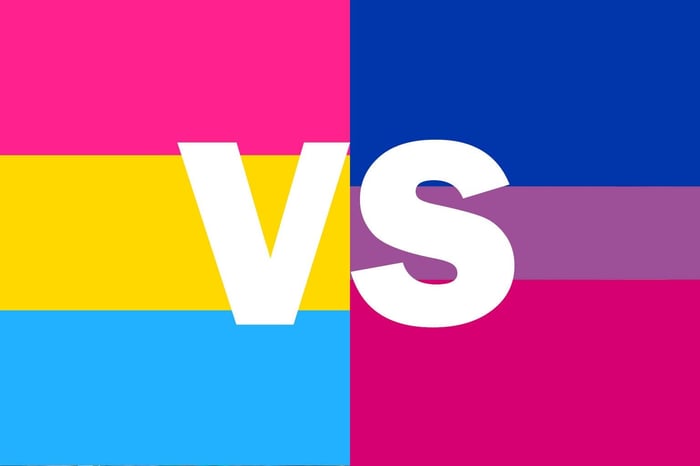
While bisexuality and pansexuality both describe attraction to multiple genders, the main difference lies in how gender factors into that attraction.
1. Focus on Gender
- Bisexual: Attraction to more than one gender (e.g., male and female, male and nonbinary).
- Pansexual: Attraction regardless of gender.
2. Gender Consideration
- Bisexual people may find gender relevant in their attraction (they might be attracted to women and men in different ways).
- Pansexual people generally do not consider gender when experiencing attraction.
3. Personal Identity and Language
These terms are deeply personal. Some people prefer bisexual because it feels historically or politically important to them. Others prefer pansexual because it feels more inclusive or accurate to their experience.
Do Pansexual and Bisexual Overlap?
Yes, there’s an overlap. Both pansexual and bisexual people can experience attraction to multiple genders. Some individuals even identify with both labels or use them interchangeably. What’s most important is how a person chooses to describe their own experience.
For example, someone may say:
- “I’m bisexual because I’m attracted to more than one gender.”
- “I’m pansexual because gender doesn’t play a role in who I’m attracted to.”
There’s no “correct” choice, just the one that best fits the person.
Pansexual vs. Bisexual: Common Misconceptions
“Aren’t they the same thing?”
While they have similarities, they’re not identical. Bisexuality acknowledges attraction to more than one gender, while pansexuality emphasizes attraction regardless of gender.
“Bisexual people don’t include nonbinary genders.”
This is false. Bisexuality can absolutely include nonbinary people. Modern definitions widely accept this. It’s a myth that bisexuality is inherently binary.
“Pansexuality is more evolved than bisexuality.”
No identity is better or more advanced. This misconception can invalidate bisexual identities. Both orientations are valid and inclusive in their own ways.
Why Labels Matter (and Why They Don’t)
Labels like bisexual and pansexual help people understand and connect with others who share similar experiences. They can also be powerful tools for visibility, advocacy, and community building.
However, labels aren’t everything. Attraction is complex and personal. Some people don’t want to use any label at all, while others might change how they identify over time. That’s okay.
The most respectful approach is to honor how each person identifies, listen when they share, and avoid assuming someone’s orientation based on behavior or appearance.
Real-Life Perspectives
To understand the difference of Pansexual vs. Bisexual experiences, let’s hear how individuals describe it in their own words:
- Maya (Pansexual): “I identify as pansexual because I fall in love with people—not genders. When I’m attracted to someone, their gender doesn’t influence that connection.”
- Jordan (Bisexual): “I call myself bisexual because I’m attracted to people of more than one gender, and this label feels true to my experiences. I’m also proud to be part of a history of bisexual activism.”
Personal stories like these reveal that even when definitions overlap, the feeling behind each identity can be unique.
Bisexual Pride T-shirt

$29.00
Show your pride with our Bisexual Pride T-shirt, featuring the iconic bisexual flag colors. Make a statement and celebrate the beauty of love in all its forms. Wear it proudly and spread positivity wherever you go! • 100% combed and… read more
Pansexuality vs. Bisexuality in Pop Culture
Visibility matters. In recent years, more celebrities have come out as bisexual or pansexual, helping bring these terms into mainstream conversations. Celebrities who identify as bisexual include Megan Fox, Tessa Thompson, Halsey, and Drew Barrymore. Those who identify as pansexual include Janelle Monáe, Miley Cyrus, Brendon Urie, and Bella Thorne.
When well-known individuals openly share their sexual orientations, it helps normalize the spectrum of attraction and creates space for broader understanding. This visibility not only fosters acceptance but also empowers others to explore and embrace their own identities with greater confidence and safety.
The Importance of Respecting All Identities
Whether someone is pansexual, bisexual, gay, queer, straight, or doesn't label themselves at all, what matters most is respecting their identity. Avoid challenging or invalidating someone's label just because it differs from your understanding. Use inclusive language, ask for pronouns and preferences, and recognize that sexual orientation is fluid for many people.
Celebrating Sexual Diversity
Pansexual and bisexual are two beautifully complex identities that reflect the diversity of human attraction. While they share similarities, their unique focuses (on whether or not gender plays a role in attraction) offer different ways for people to express themselves authentically.
The key is to listen, learn, and respect how individuals define themselves. Understanding terms like Pansexual vs. Bisexual helps create a more inclusive, affirming world where everyone can thrive.
Pansexual Pride Flag iPhone® Snap Case

$27.00
Show your Pansexual pride with this everyday, fun iPhone® Snap Case. Keep your phone stylishly protected while spreading love and inclusivity. Perfect for anyone who wants to show their identity with pride! • Made of polycarbonate (PC) material• Wireless charging… read more