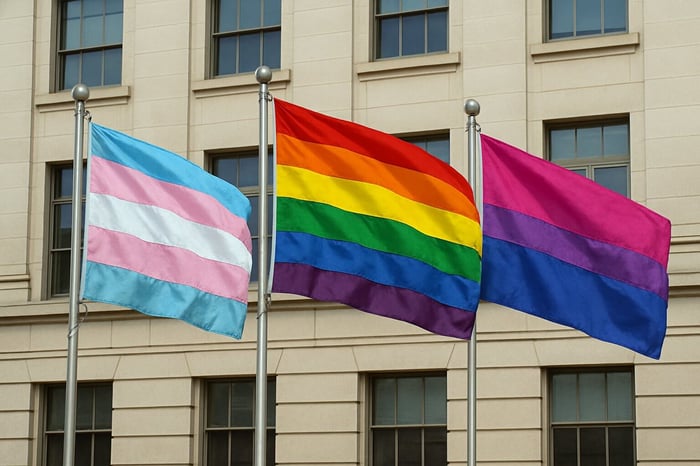
LGBTQ+ pride flags are vibrant symbols of identity, pride, and visibility within the queer community. Each flag represents a unique sexual orientation, gender identity, or cultural experience; ranging from the iconic rainbow Pride flag to specific designs for bisexual, transgender, nonbinary, asexual, and many other groups. These flags promote inclusivity, honor diversity, and act as powerful symbols of self-expression and global solidarity.
Below is a comprehensive explanation of each flag’s history, colors and meanings.
Community & Umbrella Flags
The Original Pride Flag by Gilbert Baker
The original 8-color Pride flag, created by artist Gilbert Baker in 1978 for San Francisco’s Gay Freedom Day Parade, was the first flag to represent the LGBTQ+ community. Each color carried its own significance: Hot Pink symbolized passion, Red represented vitality, Orange stood for restoration, Yellow embodied brightness, Green reflected the natural world, Turquoise conveyed creativity and enchantment, Indigo evoked calmness, and Violet signified the soul. Due to production challenges, particularly sourcing hot pink fabric, the flag was later reduced to six colors, but Baker’s original design remains a celebrated symbol of queer liberation and artistic expression.
Today's Rainbow Pride Flag
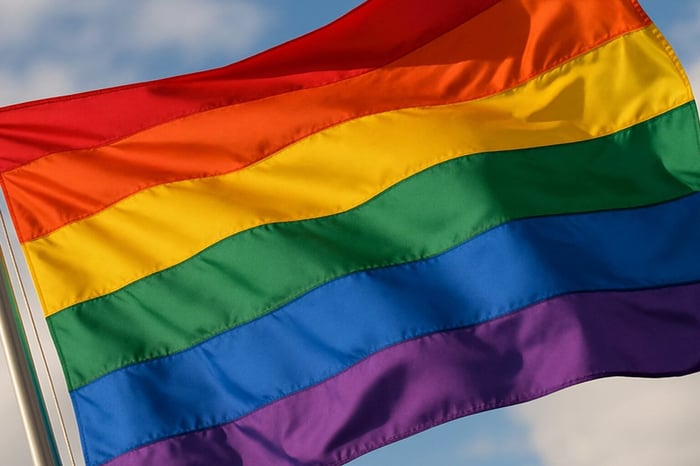
The modern six colored rainbow Pride flag is the most recognized symbol that represents our LGBTQ+ community.
Philadelphia Pride Flag
The Philadelphia Inclusion Pride Flag, introduced in 2017, adds black and brown stripes to the traditional 6-color rainbow to honor LGBTQ+ people of color. Created as part of the “More Color More Pride” campaign, it highlights the importance of racial inclusion and intersectionality within the LGBTQ+ community, while the original colors still represent life, healing, sunlight, nature, harmony, and spirit.

Progress Pride Flag
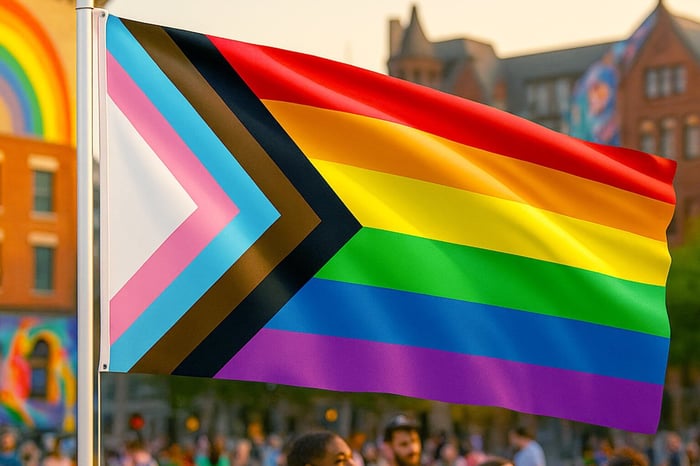
The Progress Pride Flag, designed by Daniel Quasar in 2018, builds on the rainbow flag by adding a chevron with white, pink, and blue stripes (representing the transgender community) and black and brown stripes (representing marginalized LGBTQ+ people of color and those lost to HIV/AIDS). The forward-pointing chevron symbolizes progress, emphasizing the need for continued inclusion, advocacy, and forward movement within the LGBTQ+ community.
Sexual Orientation Pride Flags
Lesbian Flag

The most commonly recognized Lesbian Pride Flag today features seven horizontal stripes in shades of orange, white, and pink. Introduced in 2018, it aims to represent the diverse and inclusive spectrum of lesbian identity. Each color holds specific meaning: dark orange symbolizes gender non-conformity, orange stands for independence, light orange represents community, white signifies unique relationships to womanhood, light pink reflects serenity, dusty pink denotes love and sex, and dark rose represents femininity. While earlier versions like the “lipstick lesbian” flag still exist, the seven-stripe design has gained widespread acceptance for its inclusivity.
Gay Men's Flag
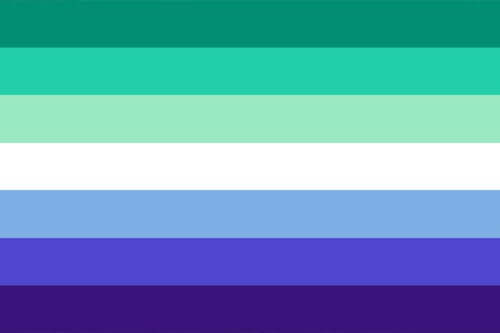
The Gay Men’s Pride Flag, created in 2019 by Tumblr user gayflagblog, features seven horizontal stripes in shades of green, turquoise, and blue. It was designed to represent masculine-aligned individuals (whether cisgender, transgender, or non-binary) who are attracted to other men. Each stripe holds meaning: dark green symbolizes community, green stands for healing, light green represents joy, white signifies inclusivity, light blue denotes love, blue stands for strength, and dark blue represents diversity. Though not as universally recognized as the rainbow flag, this design has steadily gained support within the gay men’s community.
Bisexual Flag
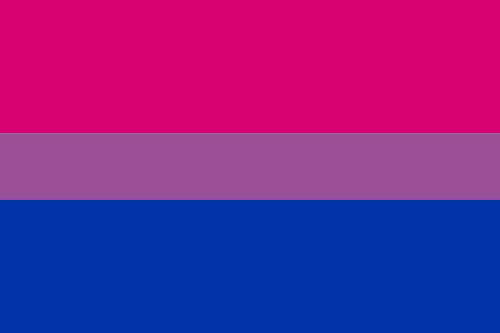
Created in 1998 by Michael Page, the bisexual flag consists of two large stripes in magenta and blue with a smaller purple stripe in the middle. This pride flag was created to increase visibility and affirm bisexuality as a valid, distinct identity within the LGBTQ+ community. Its colors carry symbolic meaning: magenta represents attraction to the same gender, blue signifies attraction to different genders, and purple, blending both, symbolizes attraction across the gender spectrum.
Pansexual Flag
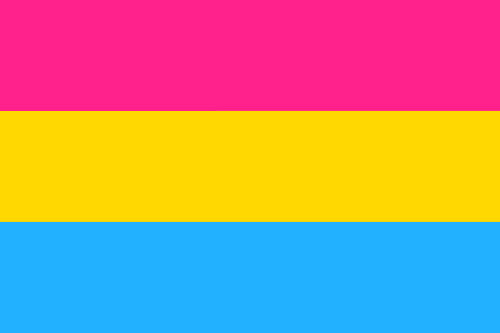
The Pansexual Pride Flag, which first appeared online around 2010, consists of three horizontal stripes in pink, yellow, and blue. Each color represents a facet of pansexual attraction: pink signifies attraction to women, blue to men, and yellow to nonbinary or gender-nonconforming individuals. The flag was designed to raise awareness of pansexuality and highlight that pansexual attraction transcends gender identity and sex.
Asexual Flag
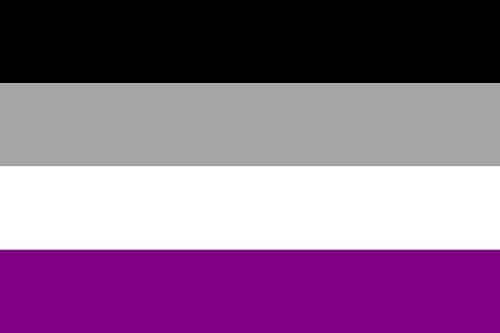
Featuring four equally sized horizontal stripes: black, gray, white, and purple. Each color represents a part of the asexual spectrum: black for asexuality, gray for gray-asexuality and demisexuality, white for non-asexual allies and partners, and purple representing the community. The flag was designed to promote visibility, unity, and pride among people who experience little or no sexual attraction. The flag was created in 2010, by (AVEN) the Asexual Visibility and Education Network.
Demisexual Flag
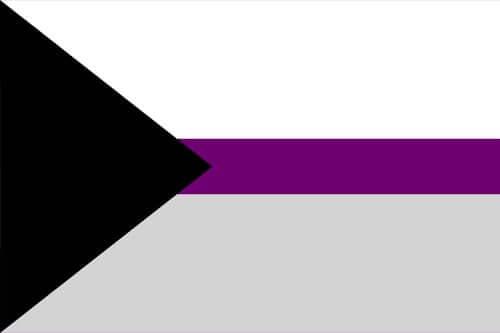
This flag represents individuals who only experience sexual attraction after creating strong emotional connections. The flag features four elements: a black triangle on the left, a white stripe across the top, a purple stripe on the bottom, and a gray stripe in the middle. The black represents asexuality, gray for gray-asexuality and demisexuality, white for sexuality, and purple for community. It is part of the broader asexual spectrum and promotes awareness of diverse sexual identities. This flag was also introduced by (AVEN) in the early 2010s.
Graysexual Flag
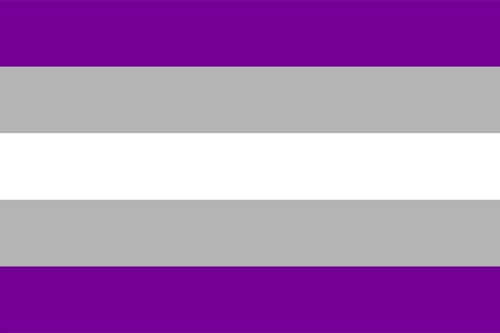
Also known as the Gray-Asexual or Gray-Ace Flag, the Graysexual Pride Flag represents individuals who rarely experience sexual attraction, or if they do, only under certain conditions, placing them within the spectrum of asexuality and sexuality. The flag displays four horizontal stripes, each with its own significance: black symbolizes asexuality, gray represents gray-asexual and demisexual experiences, white stands for sexual expression, and purple embodies unity and belonging within the community. Closely related to the asexual flag, it brings visibility to those with nuanced experiences of sexual attraction.
Polysexual Flag
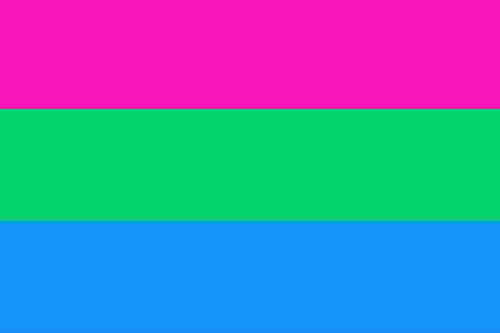
First appearing online in 2012, the Polysexual Pride Flag represents individuals who are attracted to multiple genders, though not necessarily all, as is the case with pansexuality. The flag displays three equally sized horizontal stripes. The top pink stripe symbolizes attraction to women, the green stripe interest in nonbinary individuals, and the blue stripe represents magnetism to men. Designed to offer a unique symbol for polysexual identity, the flag highlights the fluid, varied nature of attraction beyond conventional gender binaries within the LGBTQ+ community.
Omnisexual Flag
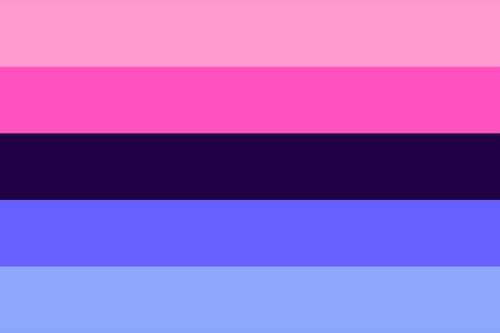
The Omnisexual Pride Flag, which emerged online in the 2010s, represents individuals who are attracted to all genders, but with a recognition and awareness of gender as a factor in their attraction (unlike pansexuality), which is often described as gender-blind. The flag features three horizontal stripes: pink for attraction to feminine genders, blue for attraction to masculine genders, and a dark purple stripe in the center to represent attraction to all genders and the inclusion of gender as part of that attraction. The flag highlights the nuanced nature of omnisexuality within the LGBTQ+ spectrum.
Straight Ally
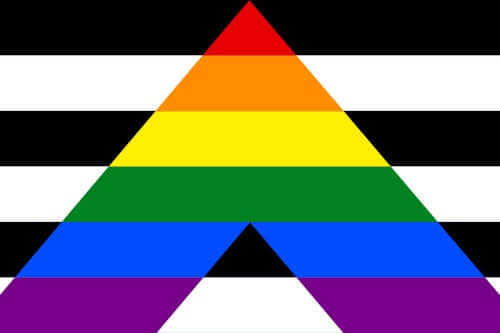
The Straight Ally Pride Flag represents heterosexual and cisgender allies who support the LGBTQ+ community. It features a bold black-and-white "A" (for "Ally") over a background of black and white stripes (symbolizing heterosexuality) with the “A” filled in with the rainbow colors of the traditional Pride flag. This striking contrast visually conveys solidarity between allies and LGBTQ+ individuals, promoting inclusion, advocacy, and support from those outside the queer community.
Gender Identity Pride Flags
Transgender Flag
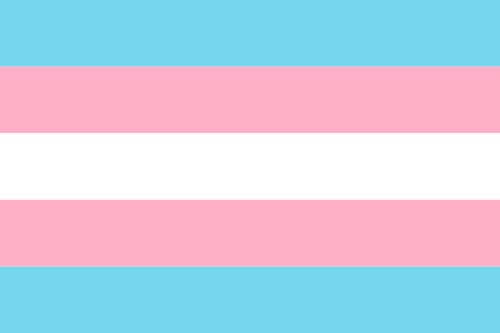
Celebrating the wide spectrum of identities within the trans community, this flag features five equally sized horizontal stripes. The outer stripes in soft blue for those who identify as male, the two inner stripes in light pink for those who identify as female, and a white stripe in the middle representing people who are nonbinary, gender-neutral, or transitioning. The intentional flag’s symmetrical design ensures it looks the same no matter how it’s displayed—symbolizing balance, authenticity, and the importance of living one’s truth. It was designed in 1999 by Monica Helms.
Non-Binary Flag

Representing people whose gender identities fall outside the traditional male/female binary, this flag is composed of four equally sized stripes. The top yellow stripe represents people who identify outside the gender binary, the white stripes is for those with multiple or all genders. The purple symbolizes the mix of genders, and the black stripe represents those who identify as not having a gender at all. It was designed Kye Rowan in 2014 to complement, rather than replace, the genderqueer flag, offering specific visibility to the diverse non-binary community.
Genderqueer Flag
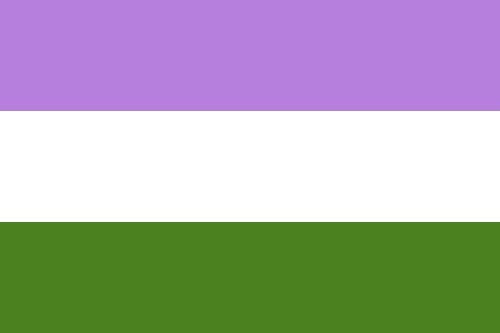
Created by Marilyn Roxie in 2011, the Genderqueer Pride Flag symbolizes identities that fall outside or reject the traditional male-female gender framework. The flag consists of three horizontal stripes: lavender, a blend of blue and pink, stands for androgyny and queerness; white represents agender and gender-neutral identities; and dark chartreuse green signifies those whose gender exists entirely outside conventional categories. As one of the earliest pride flags for non-cisgender individuals, it continues to be a powerful emblem of gender fluidity, individuality, and authenticity.
Genderfluid Flag
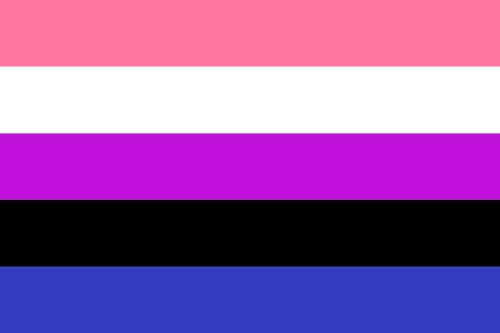
Designed by JJ Poole in 2012, the Genderfluid Pride Flag represents people whose gender identity varies over time or in different contexts. The flag features five horizontal stripes: pink symbolizes femininity, white represents the absence of gender, purple stands for a blend of masculine and feminine traits, black encompasses all genders including nontraditional or third genders, and blue signifies masculinity. The flag’s design captures the flexible, evolving, and multifaceted experience of gender for those who do not align with a singular or static identity.
Aromantic Flag
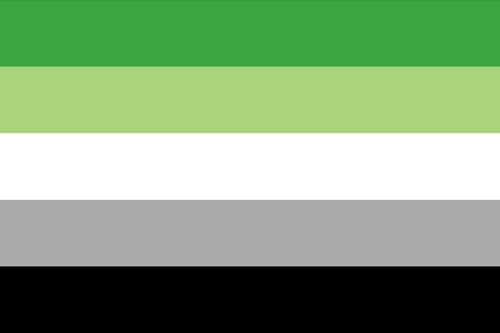
Representing all individuals with little or lack of romantic attraction, the Aromantic Pride Flag consists of five horizontal stripes. Each stripe symbolizing a different aspect of the aromantic experience: dark green stands for aromanticism, light green represents the broader aromantic spectrum, white signifies platonic and aesthetic forms of attraction, gray denotes gray-romantic and demiromantic identities, and black reflects the spectrum of sexual orientations. The flag serves to increase visibility and foster understanding of aromantic individuals, who may form strong emotional connections without romantic intent. The Aromantic flag was introduced in 2014.
Intersex Flag
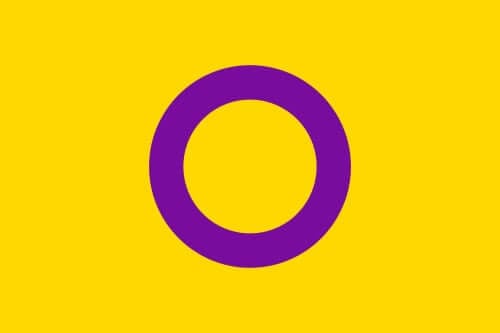
Designed by Morgan Carpenter, this flag represents people born with appearances that don’t fit the distinctive sexual anatomy classifications. They are neither male nor female. The flag consists of a solid yellow background with an unbroken purple circle in the middle. These colors were chosen as non-gendered colors, and the circle symbolizes wholeness, completeness, and bodily autonomy. Unlike many LGBTQ+ flags, it avoids stripes to emphasize a distinct and independent intersex identity, free from imposed binaries. Morgan was the co-founder of Intersex Human Rights Australia, 2013.
Why So Many LGBTQ+ Flags?
The wide array of LGBTQ+ flags isn’t about division, it’s about inclusion. While the rainbow Pride flag remains a powerful symbol of unity, the emergence of individual flags allows for deeper recognition of the unique identities, histories, and experiences that make up the LGBTQ+ community. Each flag offers visibility and validation, helping individuals feel seen, respected, and celebrated.
These flags remind us that Pride is not just about one identity, it’s about embracing the full spectrum of who we are, together.
Visit our Flags Collection at and find the one that represents you or someone you love.