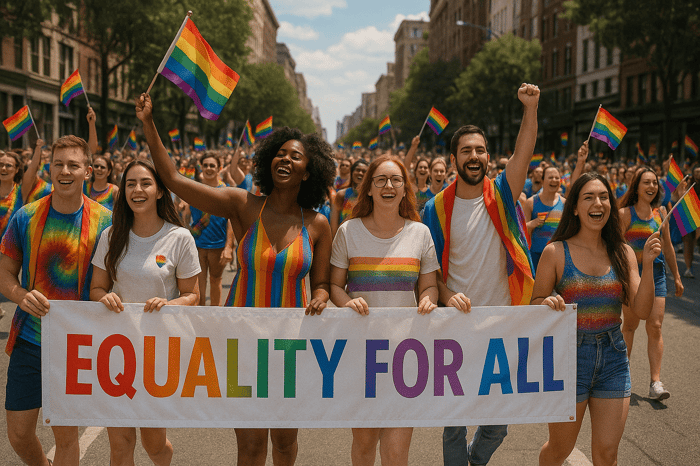
The act of "coming out", publicly sharing one’s LGBTQ+ identity has evolved significantly across generations. What was once a deeply private or even dangerous decision has, for many, become a moment of pride, community, and visibility.
Thanks to shifting cultural norms, greater acceptance, and the influence of social media, newer generations are coming out earlier and more openly than ever before. This visual report explores the trends across different generations, supported by statistical insights and cultural context.
1. Generational Overview
| Generation | Birth Years | LGBTQ+ Identification Rate (2024 Gallup) |
| Silent Generation | 1928–1945 | ~1.0% |
| Baby Boomers | 1946–1964 | ~2.3% |
| Generation X | 1965–1980 | ~3.8% |
| Millennials | 1981–1996 | ~9.1% |
| Generation Z | 1997–2012 | ~21.1% |
Source: Gallup 2024 & Pew Research Center
2. Average Age of Coming Out
The average age has decreased with each generation, reflecting growing acceptance and visibility. While older generations often waited until adulthood, Gen Z is in their teens. The table below shows how this trend has shifted over time.
- Silent Generation: Age 35–50+ (often never came out publicly)
- Baby Boomers: Age 30–40
- Gen X: Age 25–35
- Millennials: Age 18–25
- Gen Z: Age 14–18
This downward trend reflects not only growing societal acceptance but also better access to inclusive education, LGBTQ+ role models, and online support communities.
3. Social Media’s Role
Platforms like TikTok, YouTube, and Instagram have dramatically transformed how people come out, especially among younger generations. For Gen Z, these platforms offer not just a space for self-expression, but also a supportive community where authenticity is celebrated.
- Many Gen Z individuals now share their coming out stories publicly through videos, vlogs, and storytelling threads.
- Popular hashtags like #ComingOutStory and #LGBTQVisibility have helped normalize and destigmatize the process.
- Influencers such as JoJo Siwa, Eugene Lee Yang, and NikkieTutorials have used their platforms to come out, encouraging others to embrace their identities with pride.
Together, these digital spaces have created a new era of visibility and empowerment for LGBTQ+ youth.
4. Visual Timeline: Coming Out Culture by Generation
Coming out has looked very different across generations, shaped by the social, legal, and cultural climate of each era. From secrecy and fear to visibility and pride, the experience has evolved dramatically. The timeline below highlights how culture has changed from the Silent Generation to Gen Z.
Silent Generation (1928–1945)
- Lived largely during criminalization of same-sex relationships
- Closeted lives; high fear of violence, job loss
Baby Boomers (1946–1964)
- Beginnings of LGBTQ+ rights movements
- Some came out post-Stonewall (1969), later in life
Generation X (1965–1980)
- AIDS epidemic created fear but also advocacy
- More coming out in college years
Millennials (1981–1996)
- Grew up with Ellen, “Will & Grace,” and GSA clubs
- Greater support from peers and media
Gen Z (1997–2012)
- Raised during marriage equality, pronoun visibility
- Coming out during early teen years
- Nonbinary and bisexual identities more prevalent
5. Coming Out by Identity
The experience can vary widely depending on a person’s LGBTQ+ identity. Factors like visibility, stigma, and available support often influence when individuals feel ready to share who they are. The table below shows the average coming out age for different identities.
| Identity | Most Common Coming Out Age |
| Gay/Lesbian | 15–22 years old |
| Bisexual | 17–25 years old |
| Transgender | 13–21 years old |
| Nonbinary | 12–20 years old |
| Asexual | 16–24 years old |
Note: Asexual, nonbinary, and trans identities are more prominent among Gen Z than previous generations.

6. Barriers That Still Exist
Despite decades of progress in LGBTQ+ rights and visibility, many individuals continue to face significant obstacles when living openly. These barriers can have a profound impact on mental health, safety, and quality of life.
- Family Rejection: For many LGBTQ+ youth, the fear of being disowned, shamed, or emotionally cut off by family members remains one of the most difficult hurdles to overcome. This rejection can lead to homelessness, depression, or long-term emotional trauma.
- Religious Pressure: In many communities, religious teachings still condemn LGBTQ+ identities, causing individuals to feel conflicted or fearful. This can lead to internalized shame or the need to hide one's identity to avoid spiritual or community exile.
- Cultural Expectations: In some cultures, strict gender roles and heteronormative expectations make coming out particularly risky. These cultural pressures may cause individuals to delay or remain closeted indefinitely.
- Lack of Legal Protections: In various parts of the world, and even in parts of the U.S., LGBTQ+ people can still face discrimination in housing, employment, healthcare, and education. The absence of comprehensive legal safeguards leaves many vulnerable.
- Mental Health Risks Related to Stigma: LGBTQ+ individuals experience higher rates of anxiety, depression, and suicidal ideation, often as a result of societal rejection and discrimination. The fear of harassment, bullying, or violence continues to be a reality for many.
Fortunately, resources like The Trevor Project and GLAAD provide critical support. These organizations offer crisis intervention, advocacy, and education to help LGBTQ+ individuals (especially youth) navigate these ongoing challenges and live safely and authentically..
7. The Future of Coming Out
While coming out has long been seen as a powerful and necessary milestone in affirming one’s LGBTQ+ identity, younger generations are increasingly questioning why such declarations are still needed. A common sentiment among Gen Alpha teens is:
“Why do I need to come out when straight people don’t?”
This growing perspective reflects a broader cultural shift toward identity fluidity, individual freedom, and the rejection of rigid societal norms. For many young people today, labels feel optional rather than essential, and being LGBTQ+ is viewed as just one facet of who they are not something that should require explanation or justification.
The future may look radically different: less focused on grand announcements and more on simply living authentically, without the burden of expectation or the fear of rejection. As society continues to evolve, we may be moving toward a world where everyone, regardless of sexual orientation or gender identity, is free to exist openly, without the need for formal declarations.
From a past marked by fear, secrecy, and stigma to a present shaped by pride and empowerment, the course has transformed across generations. Recognizing these trends not only honors the bravery and resilience of those who came before, but also helps pave the way for a more inclusive, compassionate, and liberated future.