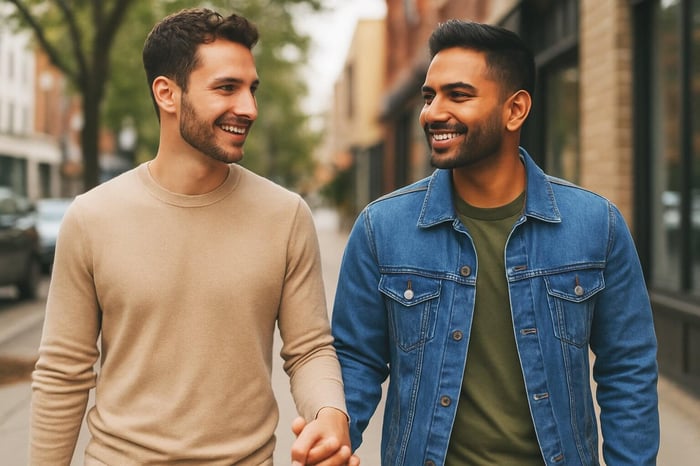
Queer people, whose sexual orientation or gender identity falls outside of cisgender and heterosexual norms, often carry deep emotional burdens rooted in societal stigma, discrimination, rejection, and even violence, which can result in lasting psychological wounds such as anxiety, depression, PTSD, and other mental health challenges. Yet, despite these obstacles, queer communities have always found ways to heal, resist, and thrive.
Let's explore the mental health challenges queer individuals often face, how these challenges intersect with trauma and anxiety, and the diverse, creative, and resilient ways queer people cope and care for themselves and each other.
Understanding the Roots of Queer Trauma
1. Minority Stress
Minority stress refers to the persistent and unique strain experienced by individuals in marginalized groups, particularly those within the LGBTQ+ community. This type of stress is distinct from everyday stressors, as it stems directly from societal prejudice, systemic inequality, and the internal conflicts that arise from being part of a stigmatized group. It often involves enduring emotional and psychological pressure due to societal rejection, cultural bias, and the need to suppress or hide one's authentic identity.
Some real-life manifestations of minority stress include being misgendered or having one's sexual or gender identity revealed without permission, facing exclusion or condemnation from family members or faith-based communities, enduring verbal or physical abuse in public settings, and navigating a legal landscape that either lacks protections or actively enforces discriminatory policies. These experiences compound over time, impacting mental health and emotional well-being.
2. Rejection and Social Isolation
Many LGBTQ+ people experience rejection from their families, especially at a young age which is a crucial period for identity development. This can lead to insecurity, emotional trauma, even poverty. Additionally, cultural erasure and heteronormativity can make queer people feel invisible, excluded, or isolated.
3. Historical and Collective Trauma
Queer trauma isn’t only individual, it’s collective. Events such as the AIDS crisis, the Stonewall riots, or the Pulse nightclub shooting are seared into the collective memory of LGBTQ+ communities. Queer people of color often face intersecting traumas related to racism, colonialism, and systemic injustice.
Common Mental Health Outcomes
These chronic stressors contribute to elevated rates of mental health challenges within queer communities. According to The Trevor Project:
- 41% of LGBTQ+ youth seriously considered suicide in the past year.
- Trans and nonbinary youth are at particularly high risk.
- LGBTQ+ adults are twice as likely to experience a mental health condition compared to heterosexual adults.
Coping Mechanisms and Paths to Healing
Despite these painful realities, queer people have developed powerful coping mechanisms. Some are deeply personal; others are collective, rooted in culture, art, and community.
Creating Chosen Families
When biological families fail to offer support, many queer people turn to chosen families, networks of trusted friends and loved ones who affirm their identities and provide emotional safety. These self-made families often become a vital source of comfort, stability, and belonging, especially in times of crisis or transition. For many, they serve not only as emotional anchors but also as active participants in personal growth and healing.
Chosen families offer unconditional support, celebrate queer identity and milestones, share coping resources and lived wisdom, and help reduce feelings of loneliness and abandonment. By creating intentional, affirming relationships, queer individuals can find the community they deserve; one rooted in mutual respect, care, and resilience.
 Therapy and Mental Health Support
Finding an LGBTQ+-affirming therapist can be life-changing, as trauma-informed therapy helps individuals unpack internalized shame, develop strategies for managing anxiety, process rejection, abuse, or identity struggles, and heal from complex PTSD and dissociation. Many queer people also benefit from group therapy, particularly in spaces centered on shared identity or lived experience, such as trans support groups or trauma recovery circles for queer survivors, where collective healing and mutual understanding can flourish.
Resources to find affirming therapists:
Community and Activism
Being part of queer community spaces (whether online or in person) fosters connection, solidarity, and resilience. These environments provide a sense of belonging. Here, anyone can express themselves freely while receiving support when needed. Community involvement reduces isolation and affirms each person’s identity and lived experience.
Activism is also a powerful form of healing, transforming pain into purpose. Whether through Pride events, LGBTQ+ organizations, online platforms like Discord or Reddit, or mutual aid and grassroots advocacy, these spaces offer validation and empower queer individuals to advocate for change while building a stronger, more inclusive community.
Creative Expression
Art has long served as a therapeutic outlet for queer people, offering a way to process trauma, reclaim agency, and affirm identity. Creative expression through writing, painting, music, dance, drag, zines, and theater, not only externalizes difficult emotions but also documents lived experiences, creates joy in the face of adversity, and connects individuals to queer history and culture.
From the poetry of Audre Lorde and Ocean Vuong to the gender exploration found in drag performance and the empowering DIY nature of zine-making, these artistic forms become vital tools of survival, storytelling, and self-liberation.
Spiritual and Somatic Practices
Queer individuals often turn to alternative forms of healing outside traditional medical systems, especially when those systems have been inaccessible or invalidating. Practices such as yoga, meditation, somatic therapy, energy work, breathwork, and ritual-based queer spirituality offer ways to regulate the nervous system, reconnect with the body, and create space for rest, integration, and emotional balance.
Resilience Through Humor
Queer humor (especially dark, campy, or subversive) acts as both a coping mechanism and a cultural touchstone. Laughter allows queer people to resist despair and build community through shared understanding.
Queer memes, drag queen roasts, TikTok satire, and queer-coded comedy all function as emotional release valves and tools for cultural critique.
Special Considerations: Intersectionality
Not all queer people face the same levels or types of trauma. Intersectionality (how different forms of oppression overlap) plays a vital role in the mental health of queer individuals.
For example:
- Queer people of color may face racism in LGBTQ+ spaces and homophobia in cultural spaces.
- Disabled queer folks might be excluded from community events or face additional healthcare discrimination.
- Undocumented LGBTQ+ immigrants may struggle with legal insecurity on top of queer trauma.
Coping mechanisms must be inclusive, culturally competent, and accessible across these intersections.
Moving Forward: What Allies and Systems Can Do
Healing shouldn’t fall solely on queer individuals; broader systems must evolve to reduce trauma and support recovery. Allies play a vital role by respecting names, pronouns, and identities; educating themselves without placing the burden on queer people; supporting queer mental health funds and crisis services; and actively challenging queerphobia and transphobia in their communities.
Institutional Changes Needed:
- LGBTQ+ affirming healthcare access
- Anti-discrimination protections in housing, work, and education
- Mental health care that is affordable, accessible, and culturally competent
- Trauma-informed training for educators, therapists, and social workers
Queer people are not defined by their trauma, but it’s impossible to ignore the emotional toll of navigating a world that often marginalizes them. Yet, within this struggle, there is profound resilience. From chosen families and artistic expression to spiritual practices and collective care, queer communities have always found ways to survive and heal.
Coping with anxiety and trauma is not a linear path, but it is a path illuminated by queer love, creativity, humor, and connection. And that’s something worth honoring and supporting.
If you or someone you know is struggling with mental health, here are some LGBTQ+ affirming resources:
- The Trevor Project (Youth Crisis Line)
24/7 support for LGBTQ+ youth - Trans Lifeline
Peer support run by and for trans people - LGBT National Help Center
Confidential peer support for all ages
Trans Pride Sneakers

$79.00
Feel empowered and show your pride with these Trans Pride Sneakers! These everyday men's shoes feature a faded trans pride flag design in blue, making a subtle yet powerful statement. Comfortable and stylish, they are perfect for any occasion. Take… read more