Exploring the Beauty, History, and Cultural Significance of Drag PerformanceIn recent years, drag art has been unfairly targeted in political discourse, with claims that distort its purpose and misrepresent its performers. Yet to truly understand drag performance is to recognize it for what it is: a vibrant, expressive, and powerful art form that has long been a cornerstone of LGBTQ+ culture and performance history.
From glittery heels to poignant monologues, drag is not about harm, it's about visibility, creativity, and challenging societal norms. It is a celebration of gender expression, performance, and liberation. Far from being dangerous, drag is transformative, and that’s precisely why it matters.
What Is Drag?
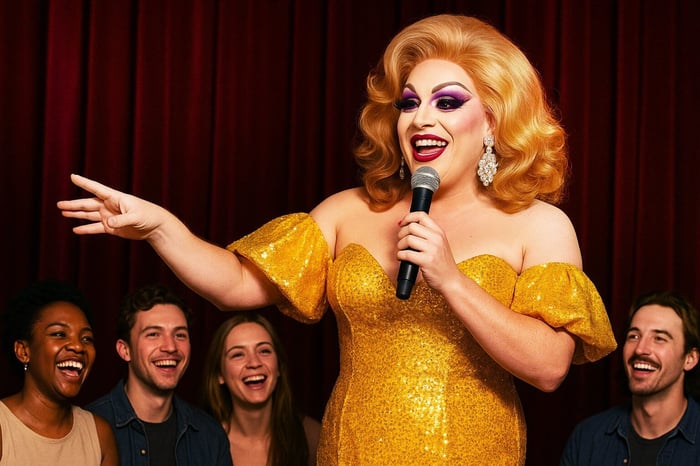
At its core, drag is the performance of gender, often with exaggeration, parody, homage, or fantasy. A drag queen might embody hyper-femininity, while a drag king might perform heightened masculinity. And many drag artists exist outside the gender binary altogether, creating personas that defy classification.
But drag is not limited to gender play. It includes lip-syncing, live singing, stand-up comedy, dance, fashion, makeup, and theater. Drag artists are writers, stylists, costume designers, and performers rolled into one. Their craft requires hours of preparation, creativity, and talent.
The root of the word “drag” is believed to come from 19th-century theater, where “drag” referred to the long skirts worn by men playing female roles, their costumes dragging across the floor. Today, drag has evolved into a global performance art, prominently featured in TV shows, festivals, bars, and pride events.
A Brief History of Drag
Drag’s modern visibility owes much to underground LGBTQ+ communities, especially during the 20th century, when queerness was criminalized or heavily policed. In secret ballrooms, hidden bars, and safe havens across cities like New York, San Francisco, and London, drag provided a form of resistance, identity, and joy.
In the Harlem Renaissance of the 1920s, drag balls flourished, particularly within Black and Latinx communities. These gatherings were not just about performance, they were about community, chosen families (“houses”), and survival.
In the 1969 Stonewall Riots, figures like Marsha P. Johnson bravely resisted police oppression, playing a vital role in the uprising. Drag was not a side act, it was central to the LGBTQ+ liberation movement.
In the late 20th and early 21st centuries, drag entered the mainstream, thanks to pioneers like Divine, RuPaul, and shows like Paris is Burning and RuPaul’s Drag Race. Yet even with increased popularity, drag remains a vital cultural expression rooted in defiance, identity, and celebration.
Drag as Social Commentary
Far from being frivolous, drag often holds up a mirror to society. Through parody and exaggeration, drag performers challenge rigid gender norms, critique consumerism, question political ideologies, and reimagine beauty standards.
For example, when a queen dons a larger-than-life wig and lashes, she may be highlighting (and playfully critiquing) society’s obsession with femininity and appearance. When a king performs as a suave, cocky male figure, he might be exposing toxic masculinity or offering a celebration of butch identity.
Drag is performance with a purpose. It empowers both performer and audience to question, laugh, and feel.
The Artistry of Drag
Calling drag performance dangerous diminishes the immense artistry behind it. Drag is a rich, multimedia art form that draws from a wide range of creative disciplines. Performers master makeup artistry, transforming their faces into elaborate canvases through color theory, contouring, and illusion. They often design and craft bespoke outfits that convey personal or political narratives, all while navigating tight budgets. Drag performance also demands theatrical skills whether it's lip-syncing, storytelling, singing, dancing, or delivering comedy, the goal is always to captivate and move an audience.
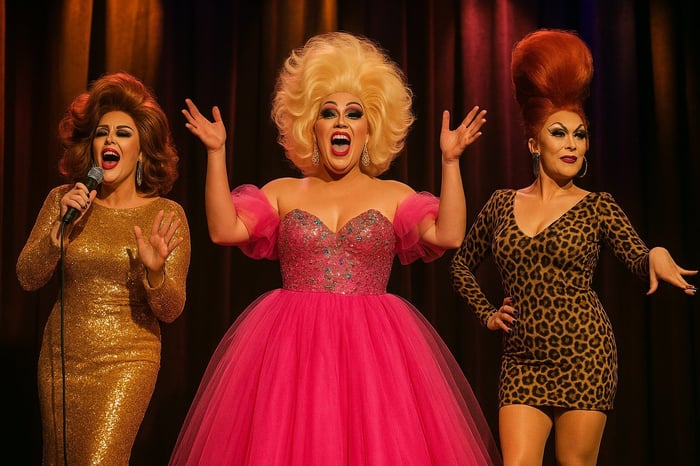
Beyond the stage, drag includes deep character development. Many performers invest years into building complex personas with distinct backstories, catchphrases, and signature aesthetics. These characters evolve, grow, and resonate with audiences in meaningful ways. Drag is not just performance, it is emotional labor, creative expression, and cultural commentary rolled into one. Like all great art, it speaks to the human experience and deserves to be recognized as such.
Drag Builds Community
Drag is not done in isolation. From bustling gay bars to online platforms, drag brings people together. Weekly shows become spaces where LGBTQ+ individuals can laugh, connect, and feel seen. Charity drag brunches raise money for causes. Drag Story Hour invites kids to hear stories read by queens in wigs and glitter, not to indoctrinate, but to celebrate diversity and creativity.
These communal spaces are especially crucial in places where being LGBTQ+ is still dangerous. Drag shows can offer a rare, affirming space where authenticity is safe and celebrated.
The Danger Myth
So where did the idea that drag is dangerous come from?
Much of it stems from misinformation, fear, and political scapegoating. Right-wing media and politicians have recently targeted drag as inappropriate (especially for children) conflating drag with overt sexuality or threatening morality. Drag Story Hour, in particular, has become a lightning rod for outrage despite being entirely G-rated and family-friendly.
These narratives are not new. LGBTQ+ people have long been framed as threats in order to justify discrimination. But history shows that visibility, not invisibility, keeps communities safe.
The idea that drag is inherently inappropriate erases the diversity of drag, from kid-friendly fairy tale characters to deeply emotional performances about grief, identity, and survival. Drag, like theater or cinema, can span all audiences and all moods.
Drag Saves Lives
Seeing someone confidently defy gender roles and be celebrated for it can provide hope and affirmation. It tells viewers: you are not alone.
For many queer individuals (especially youth) drag is more than a show. It’s a lifeline. Drag also fosters creativity and self-esteem. Young people exploring drag often develop confidence, presentation skills, and self-expression. In some cases, drag has literally saved lives, giving people a reason to keep going in the face of bullying, isolation, or depression.
Celebrating Drag, Protecting Drag
To support drag is to support freedom of expression. It means honoring the long and vibrant legacy of LGBTQ+ creativity while taking a stand against censorship, discrimination, and hate. Drag has always been a bold form of self-expression, resistance, and artistry; backing it affirms the right of all people to be seen and heard.
There are many effective ways to show support for drag artists and the art form. Attend local drag shows and tip performers generously. Support fundraisers where drag artists use their platform to uplift charities and community causes. Speak out against drag bans and anti-LGBTQ+ legislation. Educate others about the true nature of drag and its cultural importance. Above all, honor the rich diversity of gender expression and artistic performance.
Drag isn’t dangerous. It’s bold, beautiful, and brave. It challenges norms while offering comfort. It turns pain into power, shame into celebration, and fear into freedom.
Art is supposed to provoke, to inspire, and to reveal the world in new ways. Drag does all of that and more. Rather than shunning it, we should be lifting it up, not just during Pride Month, but year-round.
So, next time you see a drag performer, remember: you’re not witnessing a threat. You’re witnessing art!Be You Unisex T-Shirt

$29.00
Celebrate diversity with the Be You Unisex T-Shirt! Featuring bold lettering that reads "Be you. Fuck Them!", this shirt is perfect for spreading a message of individuality and inclusivity. Show your support for the LGBTQ+ community and be an ally… read more
Cursive Letters Gay Pride T-Shirt

$29.00
Show off your pride with our Cursive Letters Gay Pride T-Shirt! With its beautiful cursive letters and vibrant skinny rainbow pride flag, this t-shirt will make a bold statement and show your support for the LGBTQ+ community. Express yourself in… read more