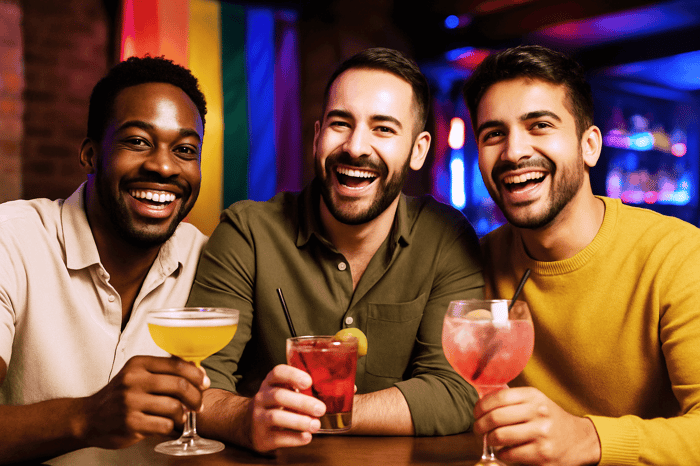
In decades past, gay bars were not just places to grab a drink or dance the night away, they were sanctuaries. For many in the LGBTQ+ community, these venues served as safe havens in a hostile world, offering a rare blend of freedom, expression, and connection. But in recent years, a noticeable decline in the number of gay bars (particularly in the U.S. and other Western countries) has raised questions. What’s behind this vanishing act? While factors like gentrification and changing cultural norms certainly play a role, one unexpected culprit often takes center stage: dating apps.
A Brief History of Gay Bars
Gay bars emerged as underground institutions long before LGBTQ+ people had legal or social protections. These establishments were often hidden, unmarked, or operated with the tacit tolerance of authorities. In places like New York City’s Stonewall Inn (site of the 1969 Stonewall Riots) gay bars were central to the fight for LGBTQ+ rights.
By the 1980s and 1990s, they became more mainstream and visible, hosting drag shows, themed parties, and community fundraisers. Gay bars were where people came out, found chosen families, and built relationships, not just romantic, but political and cultural as well.
The Rise of Dating Apps
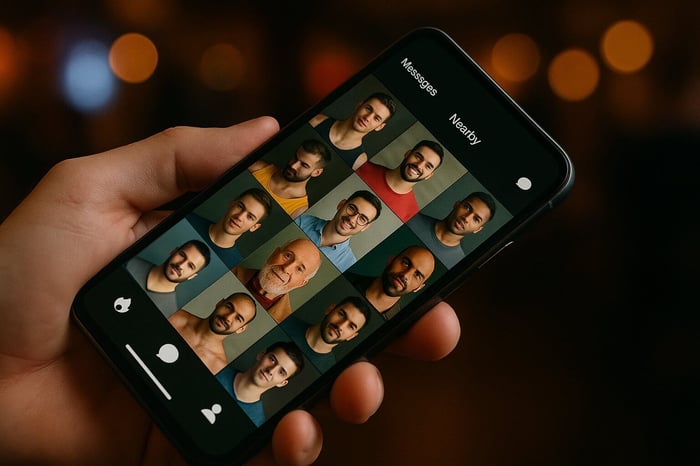
The emergence of location-based dating apps in the late 2000s transformed the way LGBTQ+ people connect. These platforms enabled users to instantly find and message others nearby, offering a discreet, efficient, and user-friendly alternative to traditional in-person encounters.
How Apps Changed the Game
1. Replacing Physical Spaces with Digital Ones
Apps have created virtual spaces where queerness can flourish without the need for a brick-and-mortar venue. While this can be empowering, especially in conservative or rural areas, it has also contributed to a diminishing sense of community in urban centers. People are less inclined to spend time and money at bars when connections are only a few taps away.
2. Discreet Access in Conservative Areas
In places where gay bars never existed due to stigma or legal restrictions, apps have offered LGBTQ+ people access to dating and friendships in ways that were previously impossible. But in urban areas where bars have long thrived, this shift toward digital interaction can sap the vibrancy and diversity of LGBTQ+ nightlife.
3. Changing Attitudes Toward Identity
Younger generations are increasingly fluid in how they identify, and they are less likely to see the need for exclusively gay spaces. Many favor inclusive environments or mixed venues that cater to all genders and sexualities. Dating apps reflect and reinforce this trend by offering filters and options for a variety of identities and preferences, making separate gay venues feel less essential to some.
Economic Pressures Accelerated by Apps
Gay bars have always had to fight to stay afloat, often facing higher rent in gentrifying neighborhoods, strict licensing requirements, and societal scrutiny. With fewer patrons coming through the door, especially during weekdays when the bar might have been a space to casually meet people, many businesses have simply been unable to survive.
In cities like San Francisco, New York, and Chicago, the number of gay bars has steadily declined.
For example:
- According to the San Francisco Chronicle, the number of LGBTQ+ bars in the city fell by over 30% between 2005 and 2020.
- In 2021, the New York Times reported that New York City had lost about 50% of its gay bars since the early 2000s.
Apps didn’t create these economic challenges, but they exacerbated them by redirecting social traffic away from physical venues.
Not Just About Hookups
While dating apps are often thought of as hookup tools, they’re more than that. Many LGBTQ+ people use them to find long-term relationships, friends, or even community events. Apps have started integrating features like event listings and group chats to further absorb functions once served by bars and clubs.
However, apps are not a one-to-one replacement. They often lack the communal, celebratory spirit of a bar on Pride weekend, the intergenerational exchange that happens at drag shows, or the sheer joy of dancing with strangers in a space where everyone is queer.
What We Lose When We Lose Gay Bars
Gay bars have historically been more than places to drink, they’ve been incubators for culture, activism, and identity. When we lose these spaces, we lose:
- Community-building: Bars were spaces where people from all walks of life gathered not just to date, but to network, to support one another, to rally around causes.
- Cultural heritage: Many gay bars are historic institutions with deep ties to the civil rights movements within the LGBTQ+ community.
- Visibility and validation: Walking into a bar where everyone is like you can be a life-changing moment, especially for someone newly out or exploring their identity.
The Intersection of Technology and Isolation
Paradoxically, even though apps connect us instantly to others, many users report feeling isolated or burned out. Swiping fatigue, ghosting, and superficial interactions can leave people feeling lonelier than before.
Bars offered something more holistic: the possibility of eye contact, of real-time conversation, of collective joy. For many, they were a respite from the digital grind.
Are Gay Bars Gone for Good?
Not necessarily. In fact, some venues are adapting by embracing digital culture rather than resisting it. Many now incorporate technology into their events, hosting themed nights tied to online communities, using QR codes for check-ins, or offering interactive experiences that bridge the gap between virtual and physical connection. Others are focusing on niche offerings such as drag brunches, queer trivia, or sober meetups that digital platforms can’t fully replicate.
Moreover, a new generation of LGBTQ+ entrepreneurs is working to reclaim and reinvent queer spaces. Pop-up queer parties, mobile drag shows, and collective-run bars are gaining traction in cities like Portland, Austin, and Brooklyn.
Finding a Balance
The reality is that dating apps and gay bars can coexist, but it requires intentionality from the community. Supporting local queer venues, promoting inclusivity, and remembering the legacy of these spaces is essential. We must be mindful not to let convenience erode culture.
Dating apps have revolutionized the way LGBTQ+ people connect, offering new opportunities for intimacy and exploration. But that convenience comes at a cost. As gay bars shutter, we risk losing spaces that have long nurtured, protected, and empowered our community.
If apps are the future, they must also honor the past. And as users, we should ask not only who we want to date, but where we want to belong. Because in the end, a swipe can never replace a shared song, a flirt across a crowded dance floor, or the comfort of a bar where you can simply, unapologetically, be yourself.
Gay Samsung® Phone Tough Case

$29.00
Experience true pride with the Gay Samsung® Phone Tough Case. Embrace your individuality with the vibrant, artistic rainbow pride flag design. Protect your phone while making a statement. Be bold, be unique, and be proud with this one-of-a-kind case. •… read more